

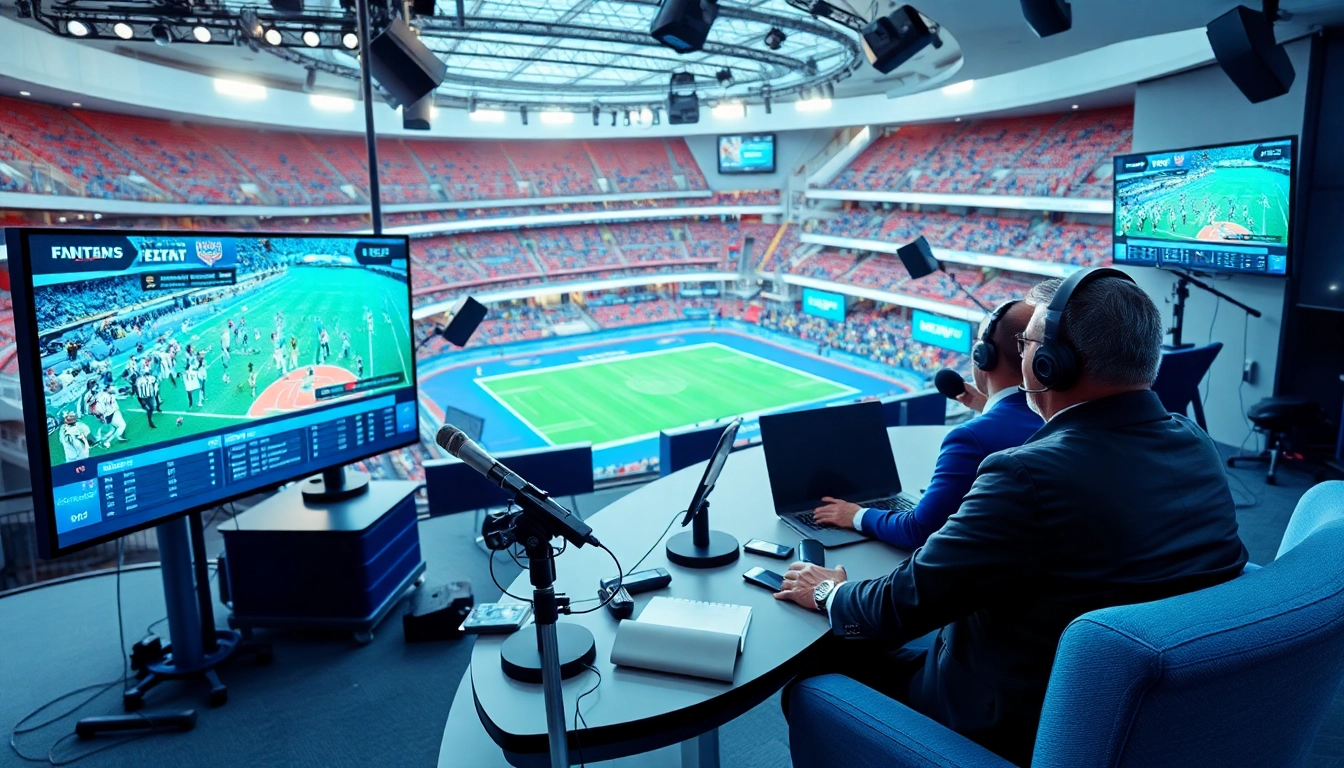
The Fundamentals of Sports Broadcasting
Sports broadcasting is an enticing and dynamic field that merges entertainment and information, bringing a rich tapestry of sports live to countless viewers. It involves presenting live sports events through various media channels, including television, radio, and the internet. This comprehensive guide aims to delve into the key components of Sports Broadcasting, unraveling the complexities of this field while providing actionable insights.
Understanding the Role of a Sports Broadcaster
The role of a sports broadcaster extends beyond merely announcing scores or commentating on game actions. A sports broadcaster serves as a critical link between the event and its audience, capturing the game’s essence, providing context, and enhancing the viewer’s experience. They also partake in pre-game and post-game analysis, interviewing players and coaches, and offering insights that deepen the audience’s understanding of the sport.
Moreover, sports broadcasters often play a role in shaping the narrative surrounding events, bringing out the human elements of competition – triumphs and failures, joy and despair. This responsibility requires a deft touch and deep knowledge of the sport they cover, as well as an awareness of audience dynamics and preferences.
Key Skills Required in Sports Broadcasting
Success in sports broadcasting hinges on a combination of technical and personal skills. Here are some essential abilities:
- Communication Skills: The ability to communicate clearly and effectively is paramount. Broadcasters must convey information succinctly, making complex moves or plays understandable to viewers unfamiliar with the sport.
- Technical Proficiency: An understanding of broadcasting equipment and software is vital. Familiarity with cameras, microphones, and editing tools allows broadcasters to manage live coverage seamlessly.
- Critical Thinking: Broadcasters need to analyze situations on-the-fly, respond to unexpected events during live coverage, and provide insightful commentary under pressure.
- Interpersonal Skills: Engaging with athletes, coaches, and viewers requires strong relational abilities, fostering connections that enhance viewer loyalty.
Sports Broadcasting Terminology Explained
The world of sports broadcasting has its own language, rich with unique terms and jargon. Understanding this lexicon is vital for any aspiring broadcaster. Key terms include:
- Play-by-Play: A descriptive narration of the events as they happen during a game.
- Color Commentary: Commentary that provides additional insights and analysis, often from an expert or former athlete.
- Graphics: Visuals displayed on screen to highlight statistics or important information related to the broadcast.
- Live Streaming: Broadcasting events in real-time over the internet, allowing viewers to watch as events unfold.
Equipment Essentials for Optimal Sports Broadcasting
In the rapidly advancing landscape of sports broadcasting, having the right equipment can significantly enhance the quality of a broadcast. It ensures that the content appears professional and engaging, which is essential for viewer retention.
Microphones and Audio Gear
Sound quality is crucial in sports broadcasting. Poor audio can detract from the viewing experience, no matter how visually appealing the broadcast may be. Broadcasters often use several types of microphones, including:
- Lavalier Microphones: Small, clipped-on microphones ideal for interviews and commentary, providing hands-free operation.
- Shotgun Microphones: Directional mics that capture sound from specific areas, useful for live events where ambient noise is prevalent.
- Broadcast Mixers: Combining various audio sources to optimize sound levels and clarity is crucial for delivering a polished broadcast.
Camera and Lighting Setup
Visual elements are equally important in sports broadcasting. A well-planned camera and lighting setup can transform the overall quality of a broadcast. Some key considerations include:
- HD Cameras: High-definition cameras capture crisp and clear images, essential for viewers to fully appreciate the action.
- Multiple Camera Angles: Using different angles ensures comprehensive coverage of the event and helps showcase significant plays from various perspectives.
- Lighting Equipment: Proper lighting reduces shadows and enhances visibility, ensuring that the audience can see the events unfold dramatically.
Broadcasting Software and Tools
Technology continues to revolutionize the broadcasting field, with software tools and applications playing a critical role.
- Editing Software: Programs like Adobe Premiere Pro and Final Cut Pro allow for post-event editing, enhancing highlights for future broadcasts.
- Streaming Platforms: Tools like OBS Studio enable live streaming directly to audiences, increasing accessibility and viewer engagement.
- Graphic Overlays: Software applications that help create real-time graphics during broadcasts improve the professionalism of the content.
Creating Compelling Sports Broadcasting Content
Creating engaging content that resonates with viewers is an art form in sports broadcasting. It requires a mix of storytelling, audience connection, and technological savvy.
Storytelling Techniques in Sports Broadcasting
At its core, sports broadcasting is about telling stories. Broadcasters who understand the narrative arc of a match or season can create compelling viewing experiences. Key techniques include:
- Character Focus: Highlighting athletes‘ backgrounds, struggles, and achievements makes the broadcast relatable.
- Building Suspense: Creating tension and anticipation enhances viewer engagement, especially during critical game moments.
- Contextualization: Providing historical context or statistics adds depth to the narrative, enriching the audience’s understanding of events.
Building Audience Engagement
Engaging with the audience is vital for broadcasters. Techniques to foster viewer connections include:
- Real-Time Interactivity: Polls and live chats during broadcasts encourage audience participation and feedback.
- Social Media Use: Incorporating social media interactions during broadcasts helps create a powerful community around the sporting event.
- Audience-Sourced Content: Showcasing fan reactions, comments, or videos adds a personal touch and boosts engagement.
Utilizing Social Media for Broadcasting
In the digital age, social media platforms serve as a vital tool for sports broadcasters. They provide avenues for immediate engagement and broader outreach. Consider the following strategies:
- Live Updates: Posting live updates on platforms like Twitter can keep audiences informed and engaged.
- Highlight Clips: Sharing short clips from the broadcast on platforms like Instagram and TikTok enhances visibility and reach.
- Community Building: Engaging with fans and fostering a sense of community can create loyal viewers, crucial for long-term success.
Challenges in the Sports Broadcasting Industry
Despite the glamor associated with sports broadcasting, professionals encounter several challenges that can impact their effectiveness and viewership. Recognizing these hurdles can prepare broadcasters to navigate them effectively.
Navigating Live Event Coverage
Live sports events are unpredictable, with unexpected developments able to alter the course of a broadcast. Broadcasters must be prepared to adapt quickly. Solutions include:
- Contingency Planning: Preparing for possible delays or technical disruptions ahead of time helps mitigate their impact.
- On-the-Spot Analysis: Being ready to pivot focus or provide live commentary on unexpected events makes a broadcast manageable and engaging.
Dealing with Unforeseen Technical Issues
Technical failures can severely disrupt a broadcast, leading to potential viewer loss. To combat this, broadcasters can:
- Regular Equipment Checks: Conducting thorough checks before broadcasts can help catch and resolve potential issues.
- Backup Solutions: Having backup equipment and alternative streaming solutions ensures continuity despite technical glitches.
Compliance and Ethical Considerations
In the competitive landscape of sports broadcasting, ethical standards and compliance with regulations are paramount. Broadcasters must:
- Ensure Fair Coverage: Presenting all teams and players with equitable representation fosters credibility.
- Respect Privacy: Being mindful of sensitive information and player privacy rights can enhance trust with the audience.
Assessing Performance and Impact in Sports Broadcasting
Performance evaluation is key to success in sports broadcasting. Understanding what works and what doesn’t can guide improvements and strategies.
Key Performance Indicators for Broadcasters
Several metrics can gauge the effectiveness of a broadcast, including:
- Viewer Ratings: Monitoring audience size and demographics provides insights into reach and impact.
- Engagement Metrics: Analyzing interactions on social media platforms helps assess audience involvement.
- Feedback Collection: Surveys and feedback channels can offer direct insights from viewers about their experiences.
Gathering Audience Feedback
Listening to the audience can reveal valuable insights for improvement. Techniques include:
- Post-Event Surveys: Collecting feedback from viewers after broadcasts can highlight strengths and improvement areas.
- Engagement Analytics: Using tools to analyze online interactions can illuminate viewer preferences and desires.
Adapting Strategies for Improvement
Continuous improvement is vital in the fast-paced world of sports broadcasting. Broadcasters should:
- Regular Training: Keeping abreast of new technologies and trends through training ensures competitiveness.
- Feedback Implementation: Actively incorporating audience feedback into future broadcasts shows responsiveness and commitment to quality.
FAQs:
What skills do I need for Sports Broadcasting?
Key skills include communication, critical thinking, and technical proficiency in media equipment.
How has technology changed Sports Broadcasting?
Technology has introduced new tools like high-definition cameras and live streaming, enhancing viewer experience.
What are common challenges faced in Sports Broadcasting?
Common challenges include unexpected events during live broadcasts, technical failures, and maintaining audience engagement.
How can social media benefit Sports Broadcasting?
Social media provides platforms for real-time interaction with fans, increasing engagement and audience reach during broadcasts.
What metrics should I track in Sports Broadcasting?
Track viewer ratings, engagement metrics on social media, and audience feedback to assess broadcasting effectiveness.